
Agarose Chromatography Media for High-Performance Bioseparation
Premium crosslinked agarose resins for protein, antibody, and nucleic acid purification — from lab-scale research to industrial biopharmaceutical manufacturing.
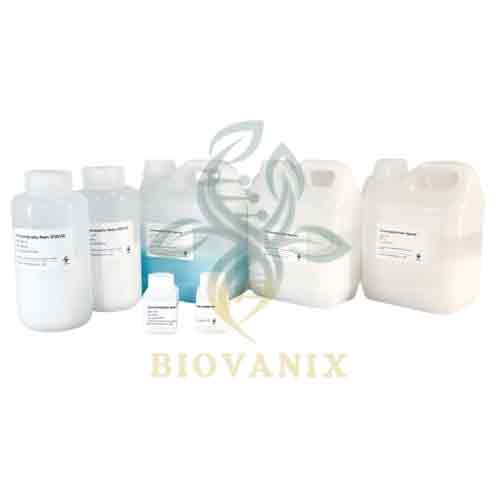
وسائط أغاروز بيوفانيكس Biovanix عبارة عن وسيط فصل بيولوجي تقليدي مصنوع من كريات أغاروز مجهرية متشابكة للغاية. وهو يستخدم مواد خام أغاروز عالية الأداء يتم الحصول عليها من الخارج للحفاظ على مستوى ثابت من جودة المنتج. يحافظ هذا المنتج على قابلية الماء الرائعة والبنية الشبكية التوسعية المتأصلة في مركبات عديد السكاريد الطبيعية، مما يدل على تقارب ممتاز للجزيئات الحيوية النشطة بيولوجيًا. ويتميز بقدرة تحميل عالية، وقابلية تطبيق واسعة، وامتصاص غير محدد، وديناميكيات تدفق سريع. وبالتالي، يتم استخدامه على نطاق واسع في تحضير الجزيئات البيولوجية الكبيرة على نطاق المختبر، بما في ذلك البروتينات والأحماض النووية والببتيدات والسكريات وكذلك في الإنتاج الصناعي واسع النطاق للمستحضرات الصيدلانية الحيوية وتطبيقات الهندسة الحيوية.
50+
100–200
pH 3–14
0.1–1.0 M
✔ ISO 9001 Certified
✔ GMP Ready
✔ Fast Global Delivery
✔ 50+ Products in Stock
Browse by Chromatography Type
Select the right media category for your bioseparation application
أفنتي ميديا
Protein A/G, Ni-NTA, GSH, Heparin,
MMA/MMC for targeted capture
Ion-Exchange Media
DEAE, Q, CM, SP – strong & weak
anion/cation exchange resins
الوسائط الكارهة للماء
Butyl, Phenyl, Octyl – HIC resins
for polishing & aggregate removal
وسائط الترشيح الهلامية
Size exclusion chromatography formolecular weight-based separation
Key Technical Characteristics of Agarose Chromatography Media
تمثل الوسائط القائمة على الأغاروز المعيار الذهبي في مجال الفصل الحيوي. مشتقة من عديدات السكاريد الطبيعية ومحسّنة من خلال تقنيات التشابك الحديثة، تظهر هذه المصفوفات مزيجًا فريدًا من الخصائص الفيزيائية والكيميائية المثالية لتنقية البروتينات والأجسام المضادة والجزيئات الحيوية الكبيرة الأخرى.
01 Exceptional Hydrophilicity and Bio-inertness
الميزة الأساسية للأجاروز هي طبيعته غير السامة والمحبة للماء.
Low Non-Specific Binding (NSB)
يتميز الهيكل الخلفي للأجاروز بغناه بمجموعات الهيدروكسيل، مما يخلق سطحًا يتفاعل بشكل إيجابي مع الماء ولكنه يُظهر حدًا أدنى من التفاعل الكاره للماء مع البروتينات. هذا يقلل بشكل كبير من الامتصاص غير النوعي، ويضمن معدلات استرداد عالية ويمنع تدهور الأهداف البيولوجية الحساسة.
Biocompatibility
البيئة الخاملة تحافظ على التركيب الثالثي والنشاط البيولوجي للإنزيمات والأجسام المضادة والبروتينات المعقدة الأخرى أثناء عملية الفصل.
02 Macroporous Reticular Structure
يشكل الأغاروز شبكة هلام مائي ثلاثية الأبعاد تتميز بمسام كبيرة مفتوحة.
High Mass Transfer
تسمح البنية ذات المسام الكبيرة (التي يتم ضبطها عادةً من خلال تركيز الأجاروز، على سبيل المثال 4% أو 6%) بالانتشار السريع للجزيئات الكبيرة داخل وخارج الحبيبات. ويُعد هذا الأمر بالغ الأهمية للحفاظ على الدقة العالية والقدرة الديناميكية على الارتباط (DBC)، حتى عند معدلات التدفق العالية.
Accessibility
على عكس السيليكا أو البوليمرات ذات المسام الأصغر، فإن الأجاروز مناسب بشكل خاص لفصل الجزيئات الحيوية الكبيرة، مثل الغلوبولينات المناعية (IgG)، والجزيئات الشبيهة بالفيروسات (VLPs)، والبلازميدات، حيث يمكن لهذه الجزيئات الوصول بسهولة إلى السطح الداخلي للخرز.
03 Versatile Surface Chemistry for Ligand Coupling
الأجاروز مرن كيميائيًا وسهل التنشيط، مما يجعله العمود الفقري المفضل لكروماتوغرافيا الألفة وكروماتوغرافيا التبادل الأيوني.
Ease of Derivatisation
تعمل مجموعات الهيدروكسيل الأولية الموجودة على بقايا السكر كنقاط ربط جاهزة لمختلف طرق التنشيط الكيميائي (مثل بروميد السيانوجين، إستر NHS، الإبيكلوروهيدرين).
Ligand Stability
إنه يدعم الارتباط المتعدد للربيطات (مثل البروتين أ، البروتين ج، أو المجموعات الوظيفية المشحونة) دون المساس باستقرار المصفوفة أو نشاط الربيطة.
04 Enhanced Mechanical Stability (Cross-linking)
بينما يحتفظ الأغاروز الأصلي بليونته الميكانيكية، فإن وسائط الأغاروز الصناعية تخضع الربط الكيميائي البيني لتعزيز صلابته.
Pressure-Flow Characteristics
يمكن أن تتحمل الأغاروز عالي التشابك (يُشار إليه غالبًا باسم “التدفق السريع” أو “التدفق العالي”) ضغوطًا خلفية أعلى. تمنع هذه الصلابة انضغاط السرير وتسمح بمعدلات تدفق خطية عالية، وهي ضرورية لتقصير أوقات الدورات في التصنيع على نطاق صناعي.
Scalability
تضمن القوة الميكانيكية بقاء معايير الأداء ثابتة عند التوسع من الأعمدة المختبرية إلى أعمدة العمليات الصناعية.
05 Robust Chemical Stability
يُظهر الأجاروز المتشابك مقاومة كبيرة للتدهور الكيميائي، مما يسهل بروتوكولات التنظيف والتطهير الصارمة.
CIP Resistance
It tolerates exposure to harsh cleaning-in-place (CIP) agents, most notably high concentrations of Sodium Hydroxide (0.1 – 1.0 M NaOH). This allows for the effective removal of precipitated proteins, lipids, and endotoxins, extending the lifespan of the resin.
Solvent Compatibility
إنه مستقر في محاليل مائية عبر نطاق واسع من الأس الهيدروجيني (عادة 3-14) ومتوافق مع العديد من المذيبات العضوية والعوامل المسببة لاضطراب طبيعة الجزيئات (مثل اليوريا، هيدروكلوريد الغوانيدين) المستخدمة لتجديد الأعمدة.
Need Help Selecting the Right Media?
Our technical team provides free consultation to match the optimal agarose resin to your specific purification requirements.
Complete Agarose Chromatography Media Catalog
50+ products spanning affinity, ion-exchange, hydrophobic, and gel filtration chromatography — all manufactured under ISO 9001 quality management.
وسائط الفصل الكروماتوغرافيا بالتقارب
High-specificity affinity resins for targeted capture of recombinant proteins, antibodies, fusion proteins, and serine proteases. Available in standard (6FF/4FF) and high-performance (6HP) series.
Standard Affinity Series
المنتج | سعة الربط الديناميكية | التطبيق |
40 ملجم هيس/ملليتر | سعة تحميل عالية عزل وتنقية البروتينات المؤتلفة الموسومة بالهيستيدين (His-Tag) | |
40 ملجم هيس/ملليتر | ||
50 ملجم هيس/ملليتر | ني منخفض2+ التسرب عزل وتنقية البروتينات المؤتلفة الموسومة بالهيستيدين (His-Tag) | |
50 ملجم هيس/ملليتر | ||
25 مجم هيس/ملليتر | يُستخدم بشكل رئيسي لفصل وتنقية بروتينات الهندسة الوراثية الموسومة بالهيستيدين (His-Tag) التي تحتوي على EDTA أو DTT ومكونات أخرى | |
25 مجم هيس/ملليتر | ||
35 ملغم من الغلوتامات المناعية/ملليتر | تنقية التقارب لمختلف الأجسام المضادة متعددة النسيلة وأحادية النسيلة | |
50 ملغ من الغلوتامات المناعية/ملليتر | مقاومة القلويات، سهولة الشطف تنقية التقارب لمختلف الأجسام المضادة متعددة النسيلة وأحادية النسيلة | |
10 ملغم من ج.ج.س.ت.أ/م.ل | عزل وتنقية البروتين الموسوم بالجلوتاثيون ترانسفيراز (بروتين اندماج الجلوتاثيون ترانسفيراز) والجلوتاثيون ترانسفيراز والبروتين المعتمد على الجلوتاثيون | |
1.5 ملغم من AT Ⅲ / مل | عزل وتنقية بروتين AT Ⅲ وعامل التخثر والبروتين الدهني والليباز والسكريات | |
1.5 ملغم من AT Ⅲ / مل | ||
20 ملغم تريبسين/ملليتر (فرعي عالي) 10 مجم تريبسين/مللي (10 مجم تريبسين/ملليتر) | عزل وتنقية التريبسين والثرومبين واليوروكيناز والكاليكرين والبري كاليكرين والبروتياز السيريني الآخر | |
25 ملغم من BSA/ملليتر | يُستخدم على نطاق واسع في فصل البروتينات وتنقيتها، وخاصةً إزالة البروتين A من الأجسام المضادة أحادية النسيلة التي تم التخلص منها من خلال وسط تقارب البروتين A، وكذلك ثنائيات الأجسام المضادة، والبروتينات المضيفة، والأحماض النووية، والفيروسات. | |
60 ملغم من BSA/ملليتر | تستخدم على نطاق واسع في فصل البروتينات وتنقيتها |
Prosep Premium Affinity Series
High rigidity, high flow rate, high resolution, quick loading — engineered for demanding bioprocess applications.
المنتج | سعة الربط الديناميكية | التطبيق |
بروسيب MMA | 20 ملغم من BSA/ملليتر | صلابة عالية الصلابة معدل التدفق العالي دقة عالية تحميل سريع |
35 ملغم من BSA/ملليتر | ||
60 مجم جم/ملليتر | ||
45 ملغم من BSA/ملليتر | ||
| 35 ملغم من BSA/ملليتر | ||
| 50 ملغم من BSA/ملليتر |
Ion-Exchange Chromatography Media
Complete range of strong and weak anion/cation exchange media for intermediate and polishing purification steps. Each ligand available in three performance grades: FF (standard), HP (high resolution), and XL (high capacity).
Standard Ion-Exchange Series
| المنتج | سعة الربط الديناميكية | التطبيق |
| DEAE 6FF | 60 ملغم من BSA/ملليتر | وسيط تبادل الأنيون الضعيف: قابلية تطبيق عالية (FF) دقة عالية (HP) سعة عالية (XL) |
| DEAE 6HP | 60 ملغم من BSA/ملليتر | |
| DEAE 6XL | 120 ملغم من BSA/ملليتر | |
| س 6ف | 50 ملغم من BSA/ملليتر | وسائط تبادل الأنيون القوية: قابلية تطبيق عالية (FF) دقة عالية (HP) سعة عالية (XL) |
| Q 6HP | 70 ملغم من BSA/ملليتر | |
| كيو 6 إكس إل | 140 ملغم من BSA/ملليتر | |
| CM 6FF | 100 مجم LZM/ملليتر | وسيط التبادل الكاتيون الضعيف: قابلية تطبيق عالية (FF) دقة عالية (HP) سعة عالية (XL) |
| CM 6HP | 120 مجم LZM/ملليتر | |
| سم 6XL | 120 مجم LZM/ملليتر | |
| SP 6FF | 130 مجم LZM/ملليتر | وسيط تبادل كاتيوني قوي: قابلية تطبيق عالية (FF) دقة عالية (HP) سعة عالية (XL) |
| SP 6HP | 160 مجم LZM / ملليتر | |
| 6XL SP 6XL | 160 مجم LZM / ملليتر |
Prosep Premium Ion-Exchange Series
المنتج | سعة الربط الديناميكية | التطبيق |
90 ملغم من BSA/ملليتر | صلابة عالية الصلابة معدل التدفق العالي دقة عالية تحميل سريع | |
120 ملغم من BSA/ملليتر | ||
120 ملغم من الليزوزيم/ملليتر | ||
35 ملغم من BSA/ملليتر | ||
45 ملغم من BSA/ملليتر | ||
75 مجم ليزوزيم/ملليتر | ||
70 مجم ليزوزيم/ملليتر |
الوسائط اللونية الكارهة للماء
Hydrophobic interaction chromatography (HIC) resins for polishing steps, aggregate removal, and separation of proteins based on surface hydrophobicity. Choose from weak, medium, and strong hydrophobicity ligands.
| المنتج | سعة الربط الديناميكية | التطبيق |
| بوتيل 4F 4F | 20 ملغم من BSA/ملليتر | طاردة للماء بشكل ضعيف مناسب لفصل البروتين الأليفاتيكي وتنقيته |
| بوتيل 6HP 6HP | 25 ملغم من BSA/ملليتر | |
| فينيل 6 ف.ف.أ (HS) | 30 ملغم من BSA/ملليتر | مقاومة قوية للماء مناسبة لفصل البروتين العطري وتنقيته (مثل الأجسام المضادة وحيدة النسيلة) |
| فينيل 6 ف.أ.ف. (LS) | 15 ملغم من BSA/ملليتر | |
| فينيل 6HP 6HP | 20 ملغم من BSA/ملليتر | |
| أوكتيل 4F | 8 ملغم من BSA/ملليتر | متوسطة الكارهة للماء مناسبة لفصل وتنقية البروتين القوي المحب للدهون |
| أوكتيل 6HP | 8 ملغم من BSA/ملليتر |
وسائط الترشيح الهلامية
Size exclusion chromatography (SEC) media for molecular weight-based separation and buffer exchange. Visit the dedicated Gel Filtration page for complete product details and specifications.
المنتج | النطاق | |
البروتين الكروي𞸍 | جلوكان𞸍 | |
G-10 | <700 | <700 |
G-15 | <1500 | <1500 |
G-25 | 1000-5000 | 100-5000 |
المنتج | النطاق (البروتين الكروي(ﻫ) |
30 جرامًا | <10000 |
75 جرامًا | 3000-70000 |
200 جرام | 10000-600000 |
Media Selection Guide
Use this quick-reference guide to choose the optimal agarose matrix and grade for your application
4% vs 6% Agarose: Which Concentration?
The agarose concentration is inversely related to the pore size of the resin.
| Property | 4% Agarose | 6% Agarose |
|---|---|---|
| حجم المسام | Larger | Smaller |
| Mechanical Strength | Lower | Higher |
| Ideal For | Viruses, plasmids, large protein complexes | General proteins, mAbs, recombinant proteins |
| Industry Status | Specialized | Industry standard |
Grade Selection: FF vs HP vs XL
Each ligand type is available in three performance grades to match your process requirements.
| Grade | Designation | الأفضل لـ |
|---|---|---|
| FF | Fast Flow | High Applicability — general-purpose, broad use cases |
| HP | High Performance | High Resolution — sharper peaks, higher purity |
| XL | Extra Loading | High Capacity — maximum throughput per cycle |
Application Scenarios
Biovanix Agarose Chromatography Media serves the full spectrum of bioseparation workflows
Monoclonal Antibody Purification
Protein A capture, cation/anion exchange polishing, and hydrophobic interaction for aggregate removal. Our Prosep MabPure A LX delivers 60 mg IgG/mL binding capacity.
Recombinant Protein Production
Ni-NTA and Ni-IDA affinity resins for His-tag protein capture with low metal leakage. Ideal for E. coli, insect cell, and mammalian expression systems.
Biopharmaceutical Manufacturing
GMP-ready media for large-scale production of therapeutic proteins, vaccines, and gene therapy vectors. ISO 9001 certified quality system.
Lab-Scale Research & Development
Comprehensive media range for method development, process optimization, and small-batch preparation of proteins, nucleic acids, peptides, and polysaccharides.
Virus & VLP Purification
4% agarose media with large pore structure for gentle capture and purification of virus-like particles, bacteriophages, and viral vectors.
Enzyme & Protease Isolation
Benzamidine resins for specific capture of trypsin, thrombin, and serine proteases. Heparin media for coagulation factors and lipases.
Frequently Asked Questions
Everything you need to know about Biovanix Agarose Chromatography Media
Technical Characteristics & Media Selection
What distinguishes Agarose media from Polymer or Silica-based matrices?
الأجاروز هو مصفوفة سكريد طبيعية مشتقة، محبة للماء. ميزته الأساسية مقارنة بالبدائل الاصطناعية هي محبة طبيعية للماء وقدرة منخفضة على الارتباط غير النوعي. هذه الخاصية تقلل من امتزاز الجزيئات الحيوية غير المستهدفة، مما يضمن استعادة عالية للبروتينات ويحافظ على النشاط البيولوجي للأهداف الحساسة.
مقابل السيليكا توفر الأغاروز ثباتًا كيميائيًا فائقًا في الظروف القلوية، مما يسمح باستخدام هيدروكسيد الصوديوم (NaOH) للتنظيف في المكان (CIP)، والذي يمكن أن يؤدي إلى تدهور السيليكا.
مقابل البوليمرات الاصطناعية بينما توفر البوليمرات الصلبة (مثل بوليسترين-دينيل بنزين) تحملًا أعلى للضغط، فإنها غالبًا ما تتطلب محبة أسطحها للماء. الأجاروز محب للماء بشكل طبيعي، مما يقلل من خطر التمسيخ البروتيني، على الرغم من أنه يعمل بشكل عام عند حدود ضغط أقل من حبات البوليمر الصلبة.
What is the difference between "Native" and "Cross-linked" Agarose?
”الأصلي“ مقابل "المتشابك"
أجاروز أصلي: يتم تثبيت بنية الهلام بواسطة روابط هيدروجينية فقط. يفتقر إلى الصلابة الميكانيكية وينضغط بسهولة تحت الضغط، مما يجعله غير مناسب لمعدلات التدفق الصناعية. تطبيقها الأساسي هو الرحلان الكهربائي التحليلي للهلام.
أجاروز متشابك تخضع هذه السلالة لتعديل كيميائي (عادة باستخدام الإبيكلوروهيدرين) لتكوين روابط تساهمية بين سلاسل عديد السكاريد. هذا تشابك يعزز بشكل كبير الصلابة الميكانيكية للحبة، مما يتيح معدلات التدفق العالية وتحمل الضغط المطلوبة للتصنيع على نطاق صناعي (مماثلة لمعايير “التدفق السريع” أو “كابتو”).
How should I choose between 4% and 6% Agarose concentrations?
يتناسب تركيز الأجاروز عكسيًا مع حجم المسام للراتنج:
4% أجاروز: يتميز ببنية مسامية أكبر، مما يجعله مثاليًا لتنقية الجزيئات الحيوية الكبيرة جدًا مثل الفيروسات والبلازميدات والمعقدات البروتينية الكبيرة. ومع ذلك، فإنه يظهر قوة ميكانيكية أقل مقارنة بالتركيزات الأعلى.
6% أجاروز: تتميز بمسام أصغر قليلاً ولكنها توفر صلابة ميكانيكية معززة. إنها توازن بين السعة وأداء التدفق، وتعمل كمعيار صناعي لتنقية البروتينات العامة، بما في ذلك الأجسام المضادة أحادية النسيلة (mAbs) والبروتينات المؤتلفة.
Comparative Performance & Validation
How does your media perform compared to industry benchmarks like Cytiva (GE)?
من خلال التطورات الكبيرة في تكنولوجيا التصنيع على مدى العقد الماضي، حققت وسائل الإعلام لدينا توافقًا عاليًا مع المعايير المعمول بها.
الأداء راتنجاتنا المكافئة “سريعة التدفق” تظهر مقارنة سعة الربط الديناميكي (DBC), ، بدقة، وخصائص التدفق والضغط إلى Sepharose™ Fast Flow.
ميزة تجارية المفاضلات الأساسية هي فعالية التكلفة و مرونة سلسلة التوريد, مما يوفر أوقات تسليم أقصر بكثير مقارنة بالعلامات التجارية المستوردة.
Can I utilise your media as a direct "drop-in" replacement for Sepharose FF?
بينما تتشابه المصفوفة الأساسية (الأجاروز المتشابك) كيميائيًا، نوصي بـ دراسة المقارنة قبل التطبيق الكامل. السمات الحرجة للجودة (CQAs) التي يجب التحقق منها تشمل:
توزيع حجم الجسيمات التحقق من توافق حجم الشبكة (على سبيل المثال، حوالي 90 ميكرومتر) لضمان ضغط خلفي متسق.
كثافة الرابطة: تأكيد أن كثافة المجموعات الوظيفية تدعم قدرة الربط المطلوبة وملف الاستخلاص.
الارتباط غير النوعي تقييم مستويات الارتباط الخلفي لضمان تلبية مواصفات إزالة الشوائب.
What regulatory support is provided for GMP production?
نحن نقدم دعمًا شاملاً للتصنيع المتوافق مع ممارسات التصنيع الجيدة (GMP). نظام الجودة لدينا هو معتمد بشهادة ISO 9001.
Operational Guidelines & Maintenance
What is the recommended Cleaning-in-Place (CIP) protocol?
يُظهِر الأغاروز المرتبط تشابكيًا ثباتًا قلويًا ممتازًا. البروتوكول القياسي لـ CIP يستخدم 0.1 مولار إلى 1.0 مولار هيدروكسيد الصوديوم.
معاملات مدة التلامس القياسية من 30 إلى 60 دقيقة.
آلية يؤدي هذا إلى تحلل البروتينات المترسبة بفعالية، وتصبين الدهون، وتعطيل الذيفانات الداخلية والفيروسات دون المساس بسلامة العمود الفقري للأجاروز.
What is the typical lifecycle of the resin?
في عملية تحكم جيدة وفقًا لممارسات التصنيع الجيدة (GMP)، تحتفظ وسائط الأغاروز المتقاطعة عادةً بـ 100 إلى 200 دورة تنقية. يحد عمر الراتنج بشكل عام من التلوث الذي لا رجعة فيه (فقدان تدريجي لقدرة الربط الديناميكية) أو زيادة الضغط الخلفي للعمود بسبب تراكم الجسيمات، بدلاً من التحلل الكيميائي للخرزة نفسها.
توزيع حجم الجسيمات التحقق من توافق حجم الشبكة (على سبيل المثال، حوالي 90 ميكرومتر) لضمان ضغط خلفي متسق.
كثافة الرابطة: تأكيد أن كثافة المجموعات الوظيفية تدعم قدرة الربط المطلوبة وملف الاستخلاص.
الارتباط غير النوعي تقييم مستويات الارتباط الخلفي لضمان تلبية مواصفات إزالة الشوائب.
What are the storage requirements for the media?
يجب تخزين وسائط الآجاروز في محلول ثابت بكتيريًا، عادةً 20% إيثانول 20%, ، بدرجات حرارة بين ٤ درجات مئوية و ٣٠ درجة مئوية.
تحذير هام: لا تجمد حبيبات الأغاروز. تسبب عملية التجميد في تكوين بلورات ثلجية داخل شبكة المسام، مما يؤدي إلى تشقق بنية الهلام وتدمير الأداء الكروماتوغرافي للوسط بشكل لا رجعة فيه.
لماذا تختار بيوفانيكس؟
Trusted by biopharmaceutical manufacturers worldwide for consistent quality and reliable supply
ISO 9001 Certified
GMP Ready
Drop-in Replacement
Fast Delivery
الدعم الفني
Ready to Optimize Your Bioseparation Process?
Request pricing, technical datasheets, or free samples. Our team responds within 24 hours.
 English
  العربية
  Français
  Deutsch (Sie)
  한국어
한국어  Русский
  Español de Argentina