
Раствор для низкотемпературной жидкостной хроматографии
Низкотемпературная жидкостная хроматография (НЖХ) является фундаментальной технологией в современном биопроцессинге и химической очистке. Работая обычно в диапазоне 1–20 бар (15–3000 фунтов на квадратный дюйм), системы LPLC обеспечивают специализированную среду, где высокообъемная пропускная способность сочетается с деликатным обращением, необходимым для биоактивных молекул.
Продуктовая экосистема и основные технические особенности
Продуктовая линейка Biovanix LPLC разработана для модульность, масштабируемость и биосовместимость, предлагая резкий контраст с жесткими, высоконагрузочными требованиями аналитической ВЭЖХ.
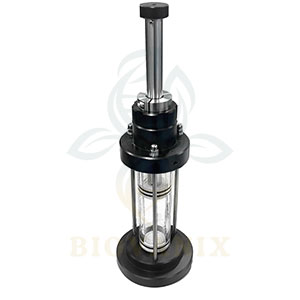
- Хроматографические колонки "Precision Glass": Изготовленные из боросиликатного стекла с наконечниками из PEEK или PTFE, эти колонки обеспечивают полную химическую инертность и визуальный контроль над смоляным слоем. Регулируемые поршни позволяют осуществлять осевое сжатие, обеспечивая оптимальную плотность упаковки и минимальный мертвый объем.
- Стационарные фазы высокой емкости В отличие от тонких субмикронных частиц, используемых в анализе, LPLC использует более крупные шарики смолы (обычно 40–150 мкмЭто снижает противодавление, сохраняя при этом большую площадь поверхности для связывания масс, что делает их идеальными для загрузки неочищенных образцов.
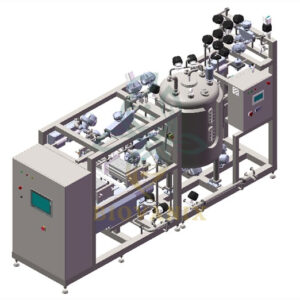
- Автоматизированные флюидные системы: Интегрированные платформы, оснащенные высокоточным перистальтическим или диафрагменным насосом, многоволновым УФ-детектором и кондуктометрическим монитором. Эти системы предназначены для обеспечения стабильной подачи градиентов и автоматического сбора фракций под управлением программного обеспечения.
Стратегические преимущества
- Сохранение биоцелостности Низкосдвиговая и низконапорная среда предотвращает механическую денатурацию чувствительных белков, ферментов и вирусных векторов. Это гарантирует, что конечный очищенный продукт сохранит полную биологическую активность.
- Масштабируемость для препаративных целей LPLC – это мост между лабораторными открытиями и промышленным производством. Системы могут быть легко масштабированы от очистки на лабораторном стенде в миллиграммовом масштабе до промышленной низкотемпературной обработки в многокилограммовом масштабе.
- Экономическая эффективность Используя более крупные частицы и оборудование с низким давлением, LPLC значительно снижает стоимость грамма очищенного материала по сравнению с аналогами высокого давления. Это также позволяет использовать более экономичные смолы большого объема.
Основные ландшафты приложений
1. Биофармацевтическая очистка (нисходящая обработка)
LPLC является отраслевым стандартом для этапов “захвата” и “промежуточной очистки” моноклональных антител (mAbs), рекомбинантных белков и вакцин. Он эффективно удаляет белки хозяйских клеток (HCP) и ДНК с высокими показателями выхода.
2. Выделение натуральных продуктов и нутрицевтиков
Для экстракции термочувствительных флавоноидов, алкалоидов и полифенолов из растительного сырья LPLC представляет собой щадящий, но высокопроизводительный метод разделения, который сохраняет химический профиль экстракта.
3. Опреснение и замена буфера
При использовании методов эксклюзионной хроматографии (SEC) LPLC является наиболее эффективным методом для удаления солей или смены буферных систем для биологических образцов перед лиофилизацией или дальнейшим анализом.
4. Разделение полисахаридов и олигонуклеотидов
Большие объемы пор LPLC-смол уникально подходят для разделения высокомолекулярных углеводов и синтетических олигонуклеотидов, где традиционная ВЭЖХ часто не справляется из-за ограничений по размеру пор.
Матричные материалы в жидкостной хроматографии низкого давления
В препаративной хроматографии и биопроцессинге выбор основной матрицы является наиболее критическим фактором, определяющим химическую стабильность, кинетику потока и биологическое восстановление. Следующие материалы составляют отраслевой стандарт для LPLC и последующей обработки.
1. Матрицы на основе агарозы
Агароза — линейный полисахарид, получаемый из водорослей, который широко считается лучшей матрицей для биосепараций.
- Технические характеристики: Он отличается высокопористой, гидрофильной 3D-сеткой, которая сводит к минимуму неспецифическое связывание. Современные варианты представляют собой сильно сшитый для повышения механической жесткости при сохранении открытой пористой структуры для крупных макромолекул.
- Основные применения: Он служит золотым стандартом для Аффинная хроматография (АХ), специально для присоединения белка А для захвата антител, и Ионообменная хроматография (ИОХ) для очистки белка.
2. Матрицы на основе декстрана
Декстран — это разветвленный глюкан, синтезируемый из сахарозы некоторыми молочнокислыми бактериями, наиболее известный по применению в серии Sephadex™.
- Технические характеристики: Известен своим точным контролем над степенью сшивки, которая определяет лимит исключения. Он демонстрирует значительное набухание в водных буферах, создавая эффект молекулярного сита. Однако он обладает низкой механической прочностью и склонен к сжатию при высоких скоростях потока.
- Основные применения: В основном используется для Эксклюзионная хроматография по размеру (SEC), специально для опреснение (удаление мелких молекул из белковых растворов) и обмен буфером.
3. Поли(стирол-дивинилбензол) (ПС-ДВБ) Матрицы
ПС-ДВБ — это синтетический, высокогидрофобный полимер, известный своей исключительной прочностью.
- Технические характеристики: Он предлагает непревзойденную химическую стойкость в широком диапазоне Диапазон pH от 1 до 14, что позволяет проводить строгий CIP (Безразборная мойка) протоколы с использованием 1М NaOH. Шарики жесткие и непористые (или макропористые), поддерживают высокие скорости потока и устойчивы к физической деформации.
- Основные применения: Идеально подходит для Обращенно-фазовая хроматография (ОФХ) пептидов, малых молекул и антибиотиков, а также промышленно-масштабного ионного обмена, где долговечность и санитация имеют первостепенное значение.
4. Полиметакрилатные матрицы
Полиметакрилат — это синтетический гидрофильный полимер, разработанный для преодоления разрыва между природными полисахаридами и жесткими синтетическими смолами.
- Технические характеристики: Он сочетает механическую прочность синтетических полимеров с гидрофильной поверхностью, которая снижает неспецифическую адсорбцию белков. Он более химически стоек, чем агароза, и обеспечивает более быструю кинетику массопереноса (перфузия).
- Основные применения: Широко используется в Высокопроизводительная промышленная очистка белков, плазмид и вирусных векторов, где требуется долгий срок службы смолы и высокая скорость потока.
Среда для хроматографии на агарозе
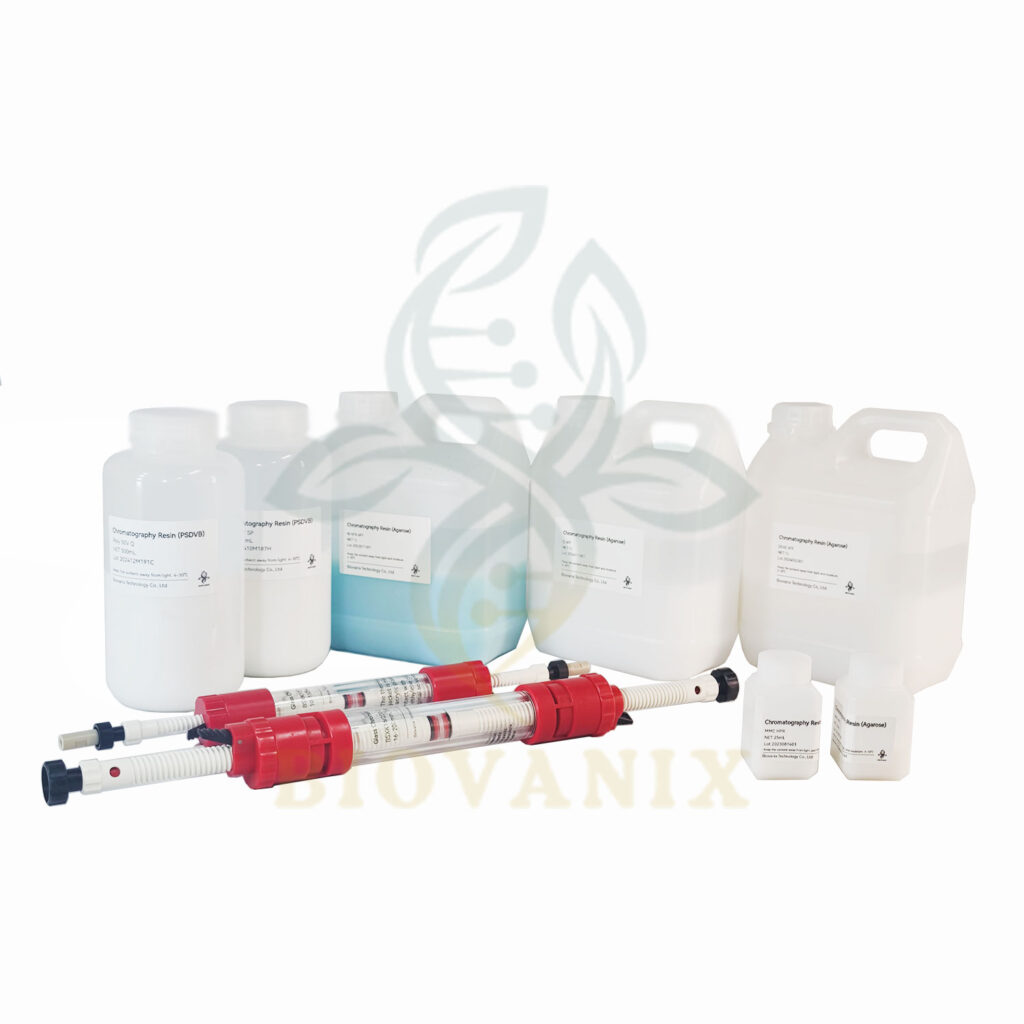
Супермакропористые полимерные микросферы
Специальные микросферы
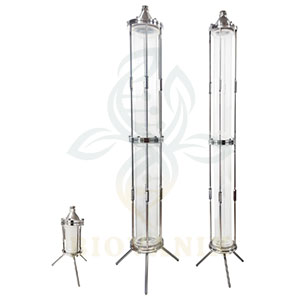
Стеклянная хроматографическая колонка низкого давления
Низконапорные колонки для стеклянной хроматографии являются незаменимыми инструментами при очистке биомолекул и природных продуктов. Разработаны для операций, обычно выполняемых при 10 бар (145 фунтов на квадратный дюйм), эти колонки обеспечивают высокопроизводительную, экономически эффективную и инертную среду для задач препаративного разделения.
Основные Характеристики
Инженерия стеклянных хроматографических колонн отдает приоритет целостность выборки и управление процессами. Их отличительные черты включают:
- Исключительная визуализация: Прозрачный корпус колонки, изготовленный из боросиликатного стекла высокого качества, позволяет исследователям в реальном времени наблюдать за полимерным слоем. Это имеет решающее значение для обнаружения пузырьков воздуха, оценки равномерности упаковки и отслеживания движения окрашенных полос образцов.
- Превосходная биосовместимость Протекание жидкости обычно ограничено стеклом, ПТФЭ и ПЭЭК. Эти материалы не содержат металлов и химически инертны, что предотвращает неспецифическую адсорбцию и обеспечивает сохранение чувствительных биологических образцов, таких как белки или ферменты, в их естественном, активном состоянии.
- Регулируемое осевое сжатие Оснащённые регулируемыми концевыми элементами (плунжерами), эти колонки позволяют устранить мёртвый объём в верхней части слоя смолы. Эта функция компенсирует усадку или расширение слоя во время градиентной элюции, значительно улучшая разрешение пиков.
- Варианты термального контроля: Многие профессиональные стеклянные колонны оснащены термостатирующей рубашкой. Пропуская через нее охлаждающую или нагревающую жидкость, пользователи могут поддерживать точный температурный контроль, что является жизненно важным для сохранения стабильности термолабильных молекул.
- Модульный и масштабируемый дизайн: Стеклянные колонки доступны в широком диапазоне диаметров (от 5 мм до более 100 мм). Их простая механическая конструкция облегчает разборку, очистку и повторную упаковку, обеспечивая долгий срок службы.
Основные приложения
1. Препаративное выделение белков
Стеклянные колонки являются основным инструментом для лабораторной очистки рекомбинантных белков, моноклональных антител и ферментов. Низкое давление сводит к минимуму сдвиговые напряжения, что важно для сохранения третичной структуры сложных белков.
2. Обессоливание и обмен буфера
С помощью смол для эксклюзионной хроматографии (SEC) стеклянные колонки используются для быстрого удаления солей или низкомолекулярных примесей из больших объемов биологических образцов. Это стандартный этап перед лиофилизацией или последующим анализом.
3. Выделение природных соединений
При экстракции растительных соединений — таких как алкалоиды, флавоноиды и терпеноиды — стеклянные колонки обеспечивают превосходную устойчивость к полярным органическим растворителям и кислотно-щелочным буферам, часто используемым в подвижной фазе.
4. Аффинная хроматография
Эти колонки идеально подходят для высокоспецифичных этапов “захвата”, таких как очистка His-тегов (с использованием смол Ni-NTA) или захват антител (с использованием Protein A/G). Возможность наблюдать изменение цвета смолы или связывание образца обеспечивает немедленную обратную связь о процессе.
5. Разделение полисахаридов и нуклеиновых кислот
Универсальность стеклянных колонок позволяет бережно разделять крупную геномную ДНК, плазмиды и сложные углеводы, в то время как системы высокого давления могут вызвать их фрагментацию или деградацию.


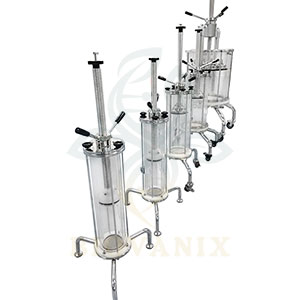

Системы низкого давления в жидкостной хроматографии (СНД-ЖХ)
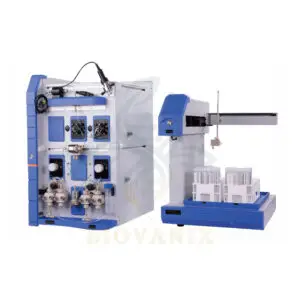
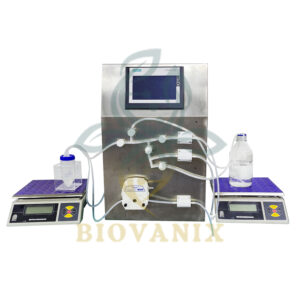
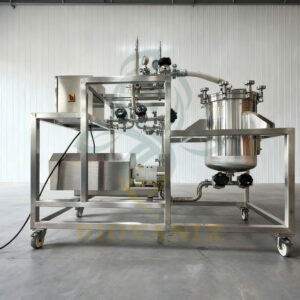
Современные системы низкого давления в жидкостной хроматографии (НДЖХ) разработаны для обеспечения высокопроизводительного и экономически эффективного моста между подготовкой неочищенных образцов и выделением молекул высокой чистоты. Предназначены для работы в пределах 1–5 бар диапазон давления, эти системы отдают приоритет сохранению биологической целостности и воспроизводимости процесса благодаря нескольким ключевым преимуществам:
- Оптимальная биосовместимость Благодаря применению бесконтактных трубопроводов (состоящих из PEEK, PTFE и боросиликатного стекла) и низкосдвиговых насосных механизмов, системы LPLC обеспечивают защиту чувствительных белков, ферментов и вирусных векторов от денатурации или загрязнения тяжелыми металлами.
- Точное управление потоками и градиентами: Современные системы обеспечивают высокую объемную точность и стабильное формирование градиента. Эта точность необходима для достижения постоянного времени удерживания и высокого разрешения при разделении изомеров с различными зарядами или сложных биомолекулярных смесей.
- Интегрированный мониторинг в режиме реального времени: Для обеспечения прозрачности процессов эти платформы оснащены интегрированным многопараметрическим обнаружением, включая УФ/Вид поглощение, проводимость и pH. Это позволяет операторам одновременно в режиме реального времени контролировать концентрацию белка, солевые градиенты и стабильность буфера.
- Интеллектуальная автоматизация Высокопроизводительные решения LPLC включают в себя сбор фракций по пикам и комплексные протоколы безопасности, такие как защита от избыточного давления и обнаружение пузырьков воздуха. Эта автоматизация минимизирует человеческие ошибки, максимизирует выход и защищает ценные образцы во время длительных процедур очистки.
- Масштабируемость и соответствие нормативным требованиям Модульные конструкции позволяют легко переходить от лабораторных НИОКР к опытно-промышленному производству. Кроме того, интеграция специализированного программного обеспечения контроля обеспечивает прослеживаемость данных и эксплуатационную безопасность, удовлетворяя строгим требованиям GLP и GMP окружения.
Выбор колонки для хроматографии
Технологическое обслуживание хроматографических колонок
Выбор колонки для хроматографии
Оценка хроматографических колонок
Скачать файл
Интродукция продуктов
1. ВЭЖХ колонка Biovanix Введение
2. Однослойная стеклянная хроматографическая колонка Biovanix
3. Двухслойная стеклянная хроматографическая колонка Biovanix
4. Стеклянная хроматографическая колонка с фиксированным слоем Biovanix
5. Биованикс инъекционная петля
6. Хроматографическая колонка низкого давления Biovanix
Руководство по применению
1. ВЭЖХ колонка Biovanix Введение
2. Однослойная стеклянная хроматографическая колонка Biovanix
3. Двухслойная стеклянная хроматографическая колонка Biovanix
4. Стеклянная хроматографическая колонка с фиксированным слоем Biovanix
5. Биованикс инъекционная петля
6. Хроматографическая колонка низкого давления Biovanix
Руководство по техническому обслуживанию
1. ВЭЖХ колонка Biovanix Введение
2. Однослойная стеклянная хроматографическая колонка Biovanix
3. Двухслойная стеклянная хроматографическая колонка Biovanix
4. Стеклянная хроматографическая колонка с фиксированным слоем Biovanix
5. Биованикс инъекционная петля
6. Хроматографическая колонка низкого давления Biovanix
Почему выбирают нас?
Компания Biovanix гордится тем, что предлагает широкий ассортимент высококачественных расходных материалов для ВЭЖХ, предназначенных для удовлетворения разнообразных потребностей фармацевтического контроля качества, исследовательского анализа и промышленной очистки. Наш ассортимент включает высокопроизводительные колонки, прецизионные фритты, оборудование для колонок и стеклянные хроматографические колонки, которые проходят строгий контроль качества для обеспечения оптимальной производительности и надежности.
Независимо от того, ставите ли вы перед собой задачу добиться точного разделения в научных исследованиях или обеспечить стабильные результаты в промышленном производстве, наши наборы расходных материалов разработаны для оптимизации эффективности разделения и снижения эксплуатационных расходов. С Biovanix вы можете быть уверены в эффективности и воспроизводимости ваших хроматографических процессов, зная, что используете продукты, созданные в соответствии с самыми высокими стандартами.
Выбирайте Biovanix для:
- Исключительная производительность: Высокоэффективные колонки и прецизионное оборудование для получения точных и надежных результатов.
- Универсальность: Подходит для широкого спектра применений, от рутинного контроля качества до сложных задач очистки.
- Эффективность затрат: Наши комплекты расходных материалов разработаны для повышения эффективности разделения при минимизации эксплуатационных расходов.
- Обеспечение качества: Каждый продукт проходит тщательное тестирование для обеспечения стабильного качества и воспроизводимости.
Выбирая Biovanix, вы получаете доступ к инновационным, надежным решениям, которые расширяют возможности ваших хроматографических рабочих процессов. Присоединяйтесь к нам, чтобы улучшить ваши аналитические и промышленные процессы с помощью передовых расходных материалов для ВЭЖХ.
 English
  العربية
  Français
  Deutsch (Sie)
  한국어
한국어  Русский
  Español de Argentina